
Learn About RO Water Purifiers
Before deciding whether RO (Reverse Osmosis) water is suitable for drinking, it is important to understand the quality of your source water. One of the measurements used to assess water quality is TDS.
TDS stands for Total Dissolved Solids. It represents the combined concentration of dissolved substances in water, such as minerals and salts. However, TDS alone cannot tell us whether water is safe to drink. Water quality also depends on the presence of harmful microorganisms, chemicals and other contaminants.
What Is Total Dissolved Solids (TDS)?
TDS is generally measured in parts per million (ppm), which is approximately equivalent to milligrams per litre (mg/L).
Water may contain naturally occurring minerals such as calcium and magnesium. These minerals contribute to TDS, but a high or low TDS reading does not automatically mean that water is healthy or unhealthy.
For example, water with a low TDS reading may still contain harmful contaminants, while water with a higher reading may contain mostly harmless dissolved minerals. Therefore, proper water testing is important before choosing a purification system.
Is Low-TDS RO Water Harmful to Health?
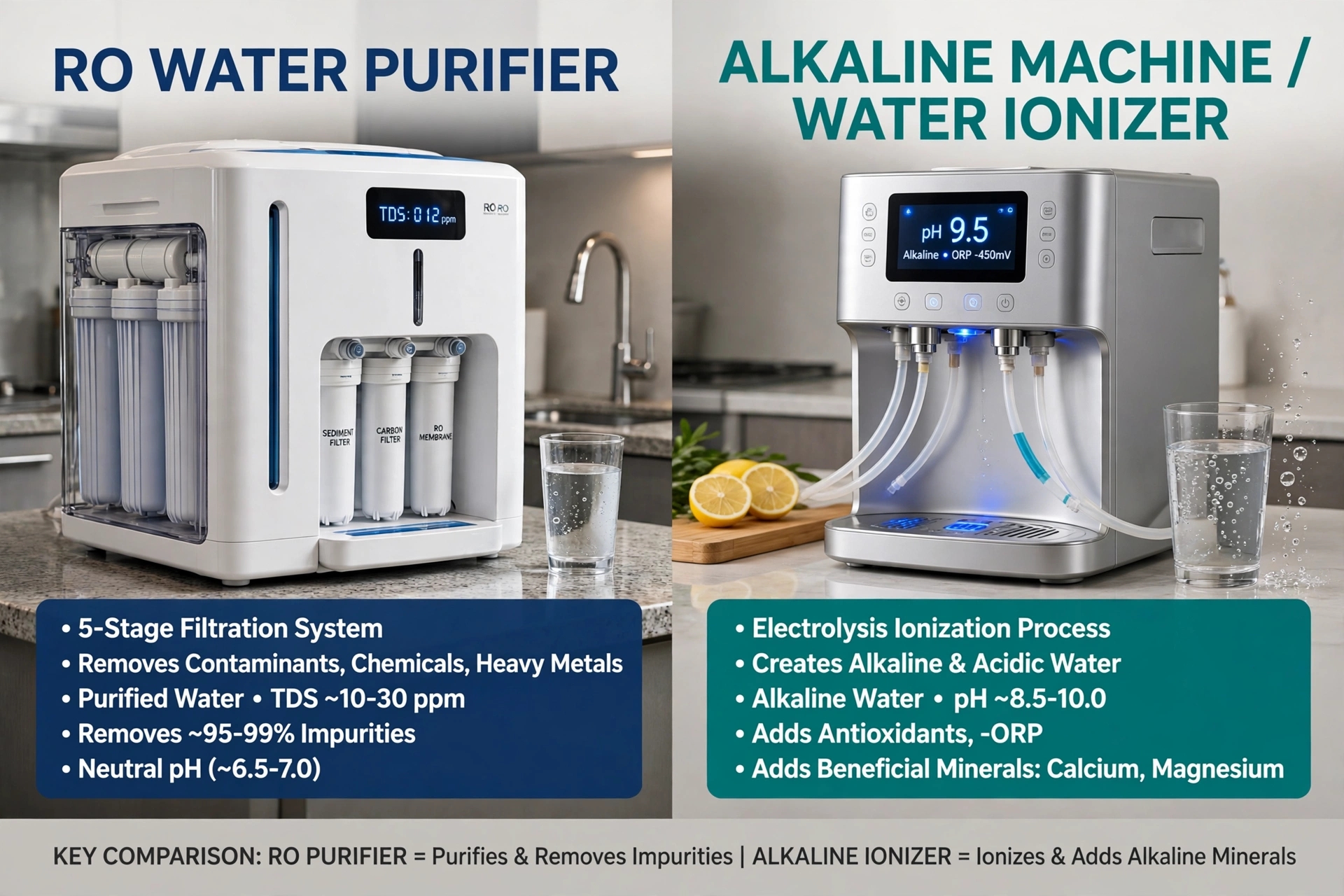
RO purification reduces many dissolved substances from water, including certain salts and minerals. The amount of minerals remaining depends on the source water and the RO system.
Some RO purifiers include a TDS controller or mineral cartridge. These features can help adjust the taste and mineral content of treated water. However, they do not replace proper water-quality testing.
If your source water has high TDS or contains specific dissolved contaminants, an RO purifier may be suitable. If the source water has low TDS and does not contain contaminants that require RO treatment, another type of purifier may be sufficient.
Important: Do not rely on a fixed TDS range alone to decide whether drinking water is safe. Follow appropriate water-quality standards and consider a laboratory water test when necessary.
Important Features to Look for in an RO Water Purifier
When selecting an RO water purifier, check which features are appropriate for your source water quality.
- TDS Controller: Helps adjust the TDS level of treated water in compatible RO systems.
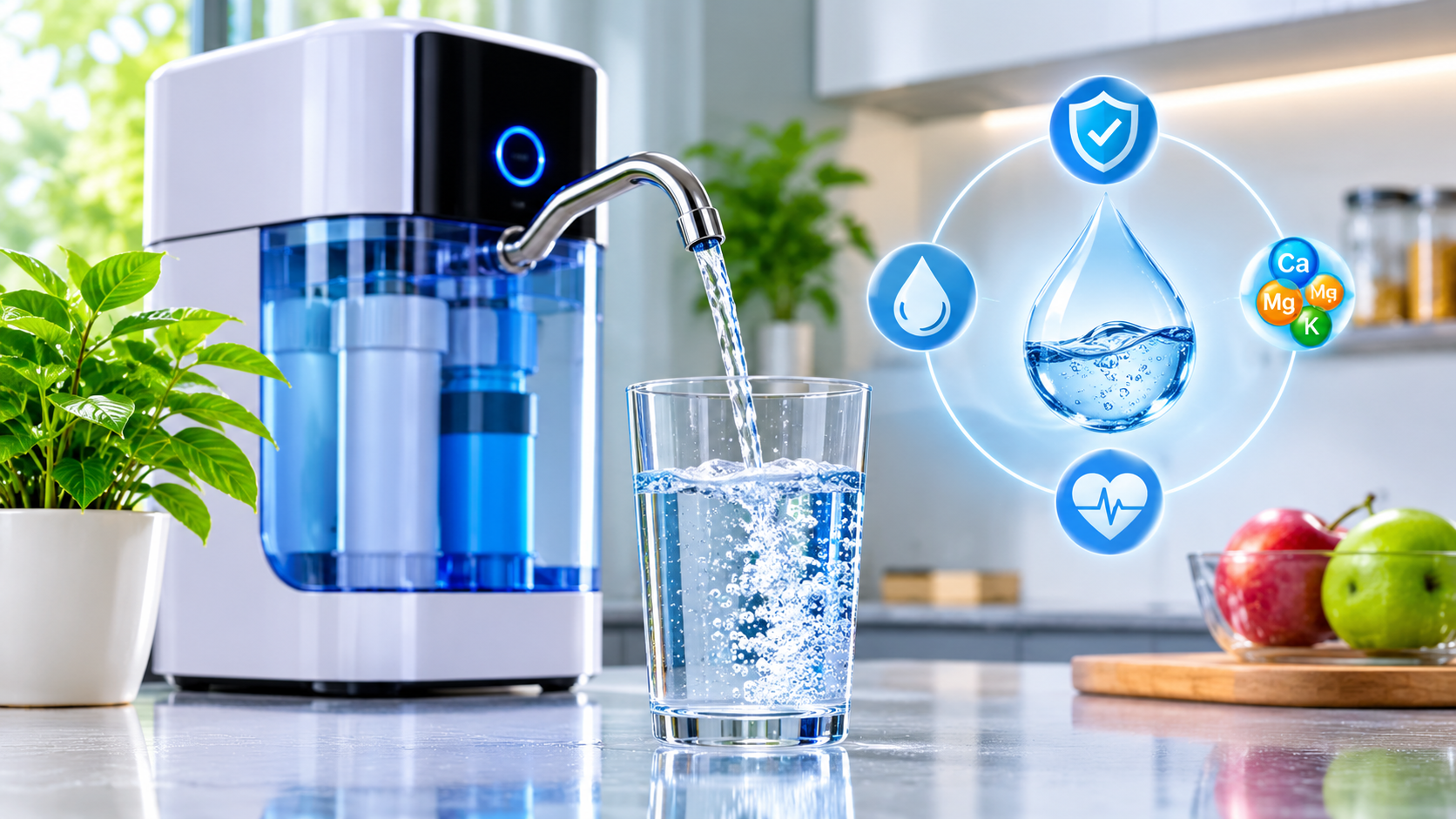
- UV (Ultraviolet) Purification: Helps inactivate microorganisms when properly designed and maintained.
- UF (Ultrafiltration): Helps remove suspended particles and certain microorganisms.
- Mineral Cartridge: Adds selected minerals to treated water, depending on the cartridge design.
- Pre-filter and Sediment Filter: Help remove dust, sand and suspended particles.
- Carbon Filter: Helps reduce chlorine, odour and certain organic compounds.
- RO Membrane: Reduces many dissolved salts and other contaminants, depending on membrane performance and water conditions.
Not every home needs all these features. The right combination depends on your source water, local water quality and the contaminants that need to be removed.
How to Choose the Right Water Purifier for Your Home
Before purchasing an RO water purifier, consider these points:
- Get your source water tested to understand its TDS and other important quality parameters.
- Identify whether your water contains dissolved salts, hardness, heavy metals or microbiological contamination.
- Choose RO, UV, UF or a combination of technologies according to the test results.
- Check the availability and replacement cost of filters and the RO membrane.
- Maintain and service your purifier regularly according to the manufacturer's instructions.
Choosing a purifier based on actual water quality is more useful than selecting one simply because it has more purification features.
Read More About RO Water Purifiers
Explore More About RO Water Purifiers
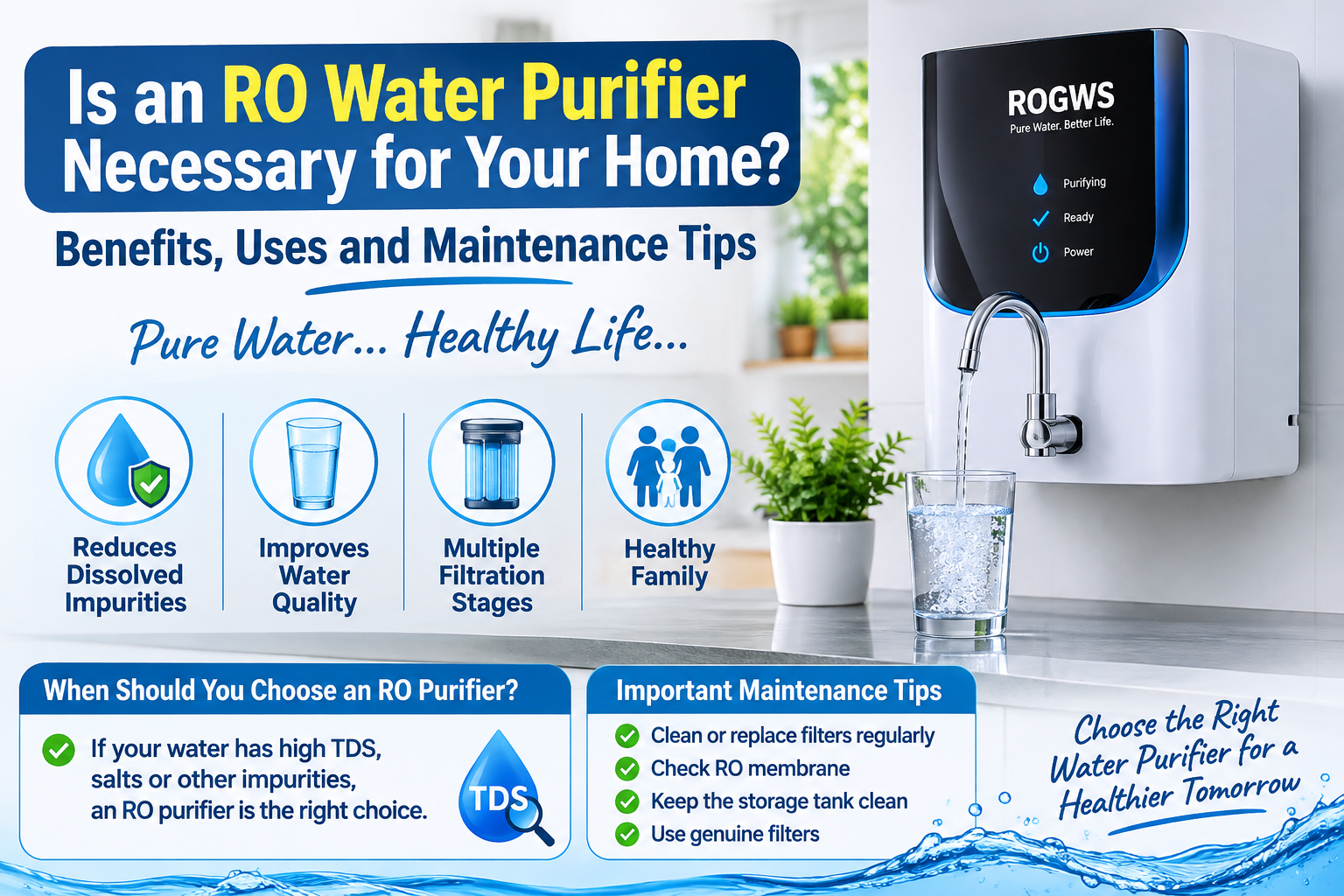
1. Is an RO Water Purifier Necessary for Your Home?
Understand when RO purification is useful and which factors to consider before choosing a purifier. Read the Complete Guide ?
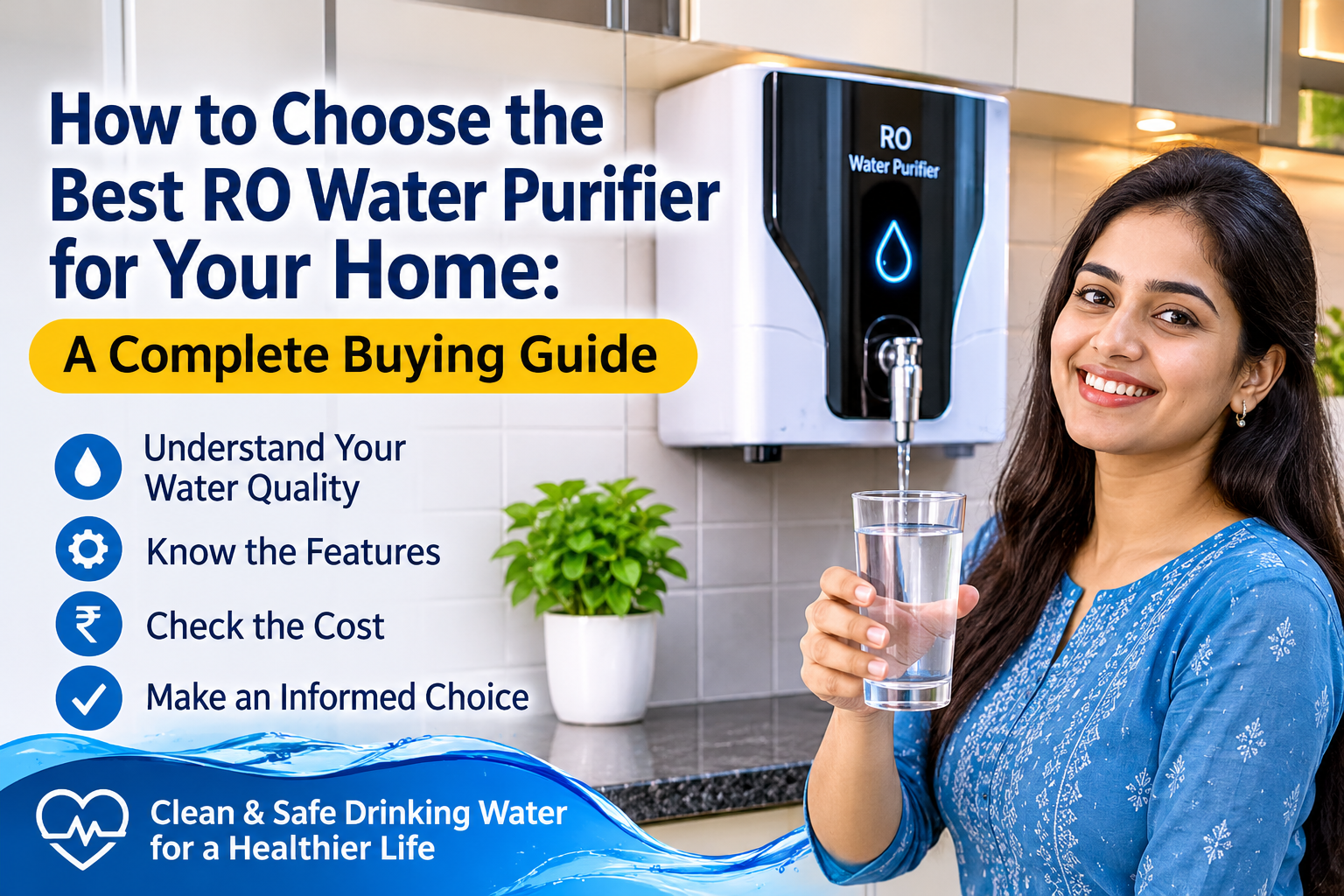
2. How to Choose the Best RO Water Purifier
Learn about important features, purification technologies and things to check before buying an RO purifier. Explore the Buying Guide ?
Conclusion
RO water purifiers can be useful for treating water that contains high levels of dissolved salts and certain other contaminants. However, RO purification is not necessary for every water source.
TDS is an important water-quality measurement, but it is not the only factor that determines whether water is safe for drinking. A proper water test can help you understand which contaminants are present and which purification technology is suitable for your home.
Choose a water purifier according to your source water quality, maintain it regularly and replace filters as recommended by the manufacturer. This will help you make a more informed decision about safe drinking water for your family.
Sarita Gupta
2026-11-23 23:57:53Your content is very useful, good knowledge provided by you thanks.